
Fall 2025 PhotoVoice
Gen Leaders
By: Hiba Abu Jarour
See below for full description.
See below for full description.
See below for full description.
See below for full description.
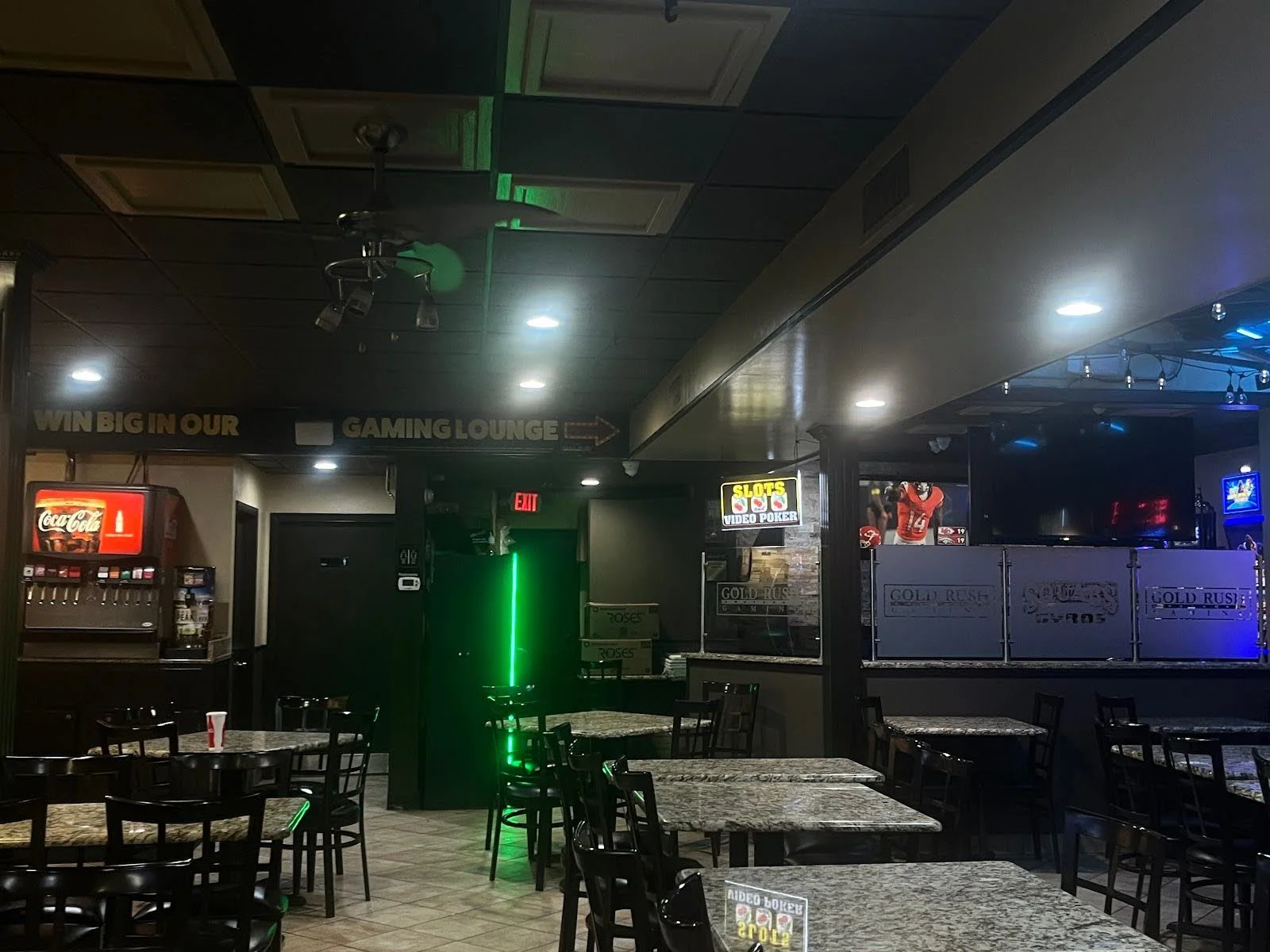
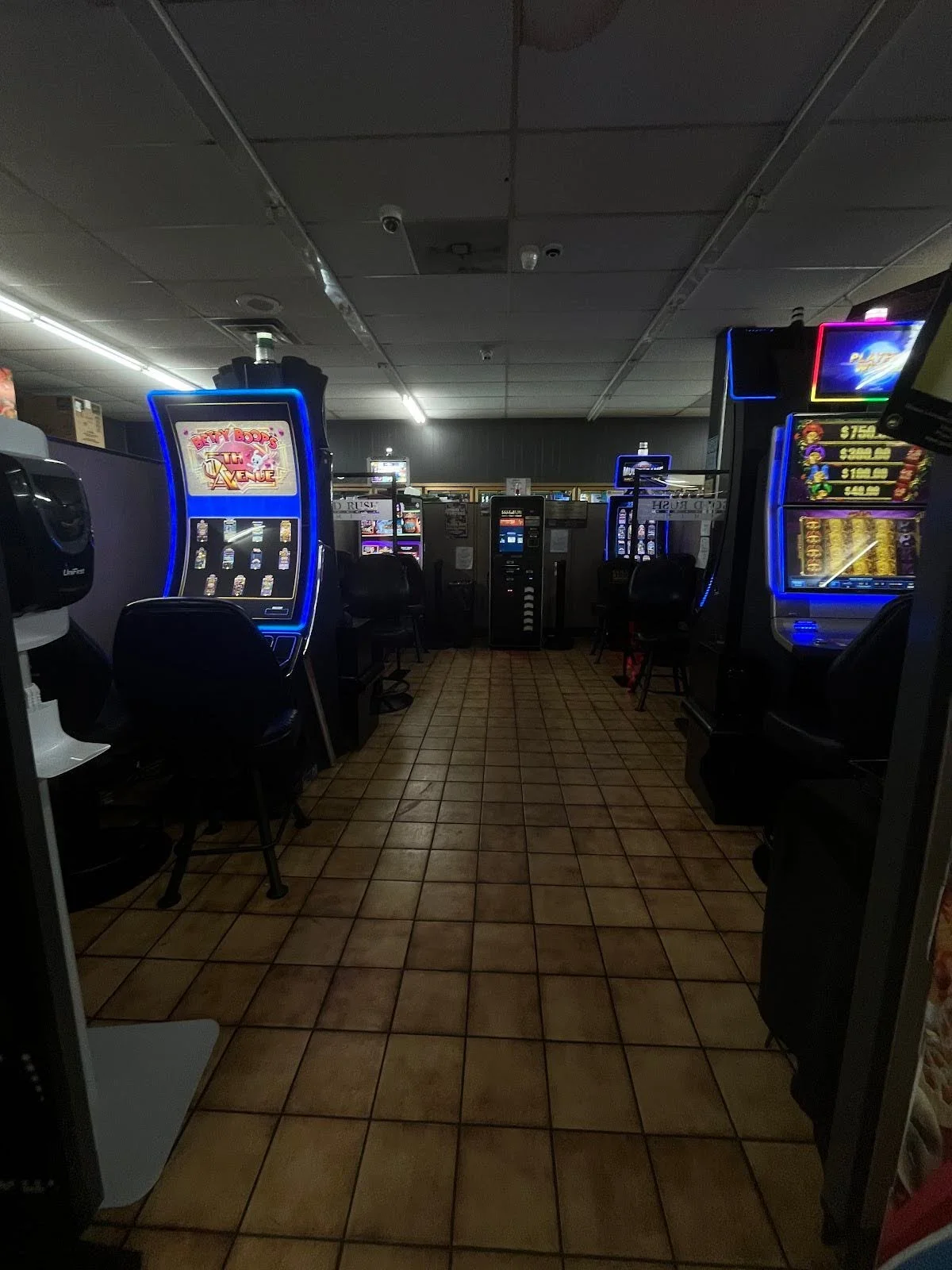
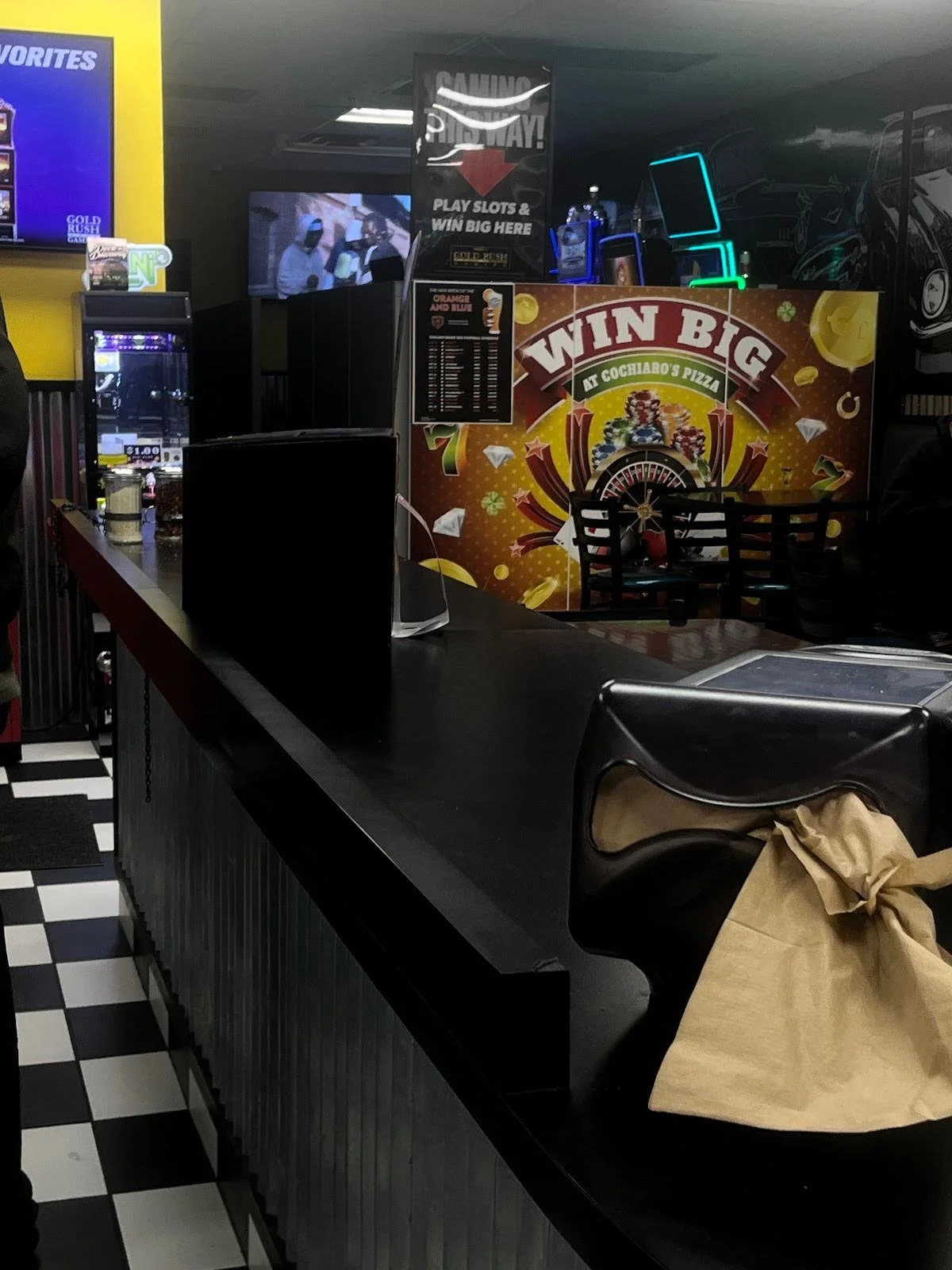
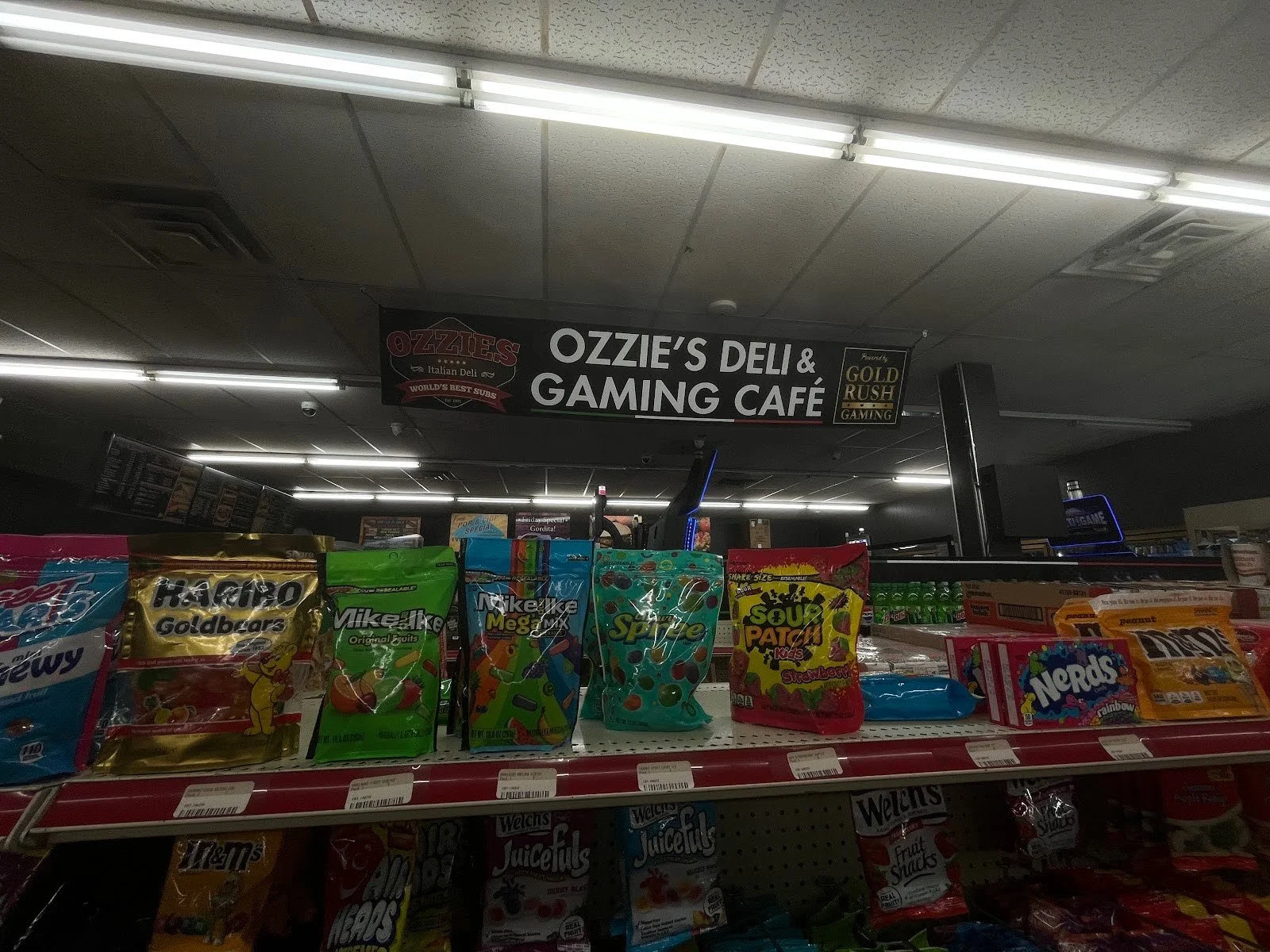
I live in a neighborhood where the go-to hangout spots for teens were always the same local restaurants, the places where we’d grab food, laugh, and unwind after school. However, something that always stood out was how many of those restaurants had gambling rooms tucked inside. Over time, it made gambling feel like a normal part of everyday life. For a lot of teens, like myself, seeing a row of slot machines became just as ordinary as seeing a vending machine. What should’ve been safe, simple social spots slowly turned into environments that exposed young people to gambling before they even realized it.
The impact on a community especially on its youth is anything but harmless. Gambling carries heavy mental, social, and financial consequences, and normalizing it inside family-oriented restaurants and delis only makes those risks easier to fall into. Even if these machines bring extra income to business owners, the long-term cost to the people living there is far greater. Those restaurants turned into teenage hotspots not only for hanging out, but also for people hoping for a quick win.
Some might claim gambling is harmless entertainment or a challenge you can “get good at,” but that idea is misleading. It’s a narrative pushed by those who benefit from keeping these machines in public spaces. To me, gambling teaches young people to tie their excitement and satisfaction to chance and money. I’ve seen classmates drawn in by the lights, sounds, and thrill of possibly winning, without realizing how easily curiosity can turn into dependency. Watching gambling become such a normal backdrop in the area where I grew up is disappointing, especially knowing how it shapes the mindset of younger teens who spend time there now. But with stronger awareness, community action, and better prevention efforts, places like mine can work toward shared spaces that should be for connection and comfort—not for gambling.